

Unlock the Other 80%: Turning Long-Tail Streaming Inventory Into Premium CPM


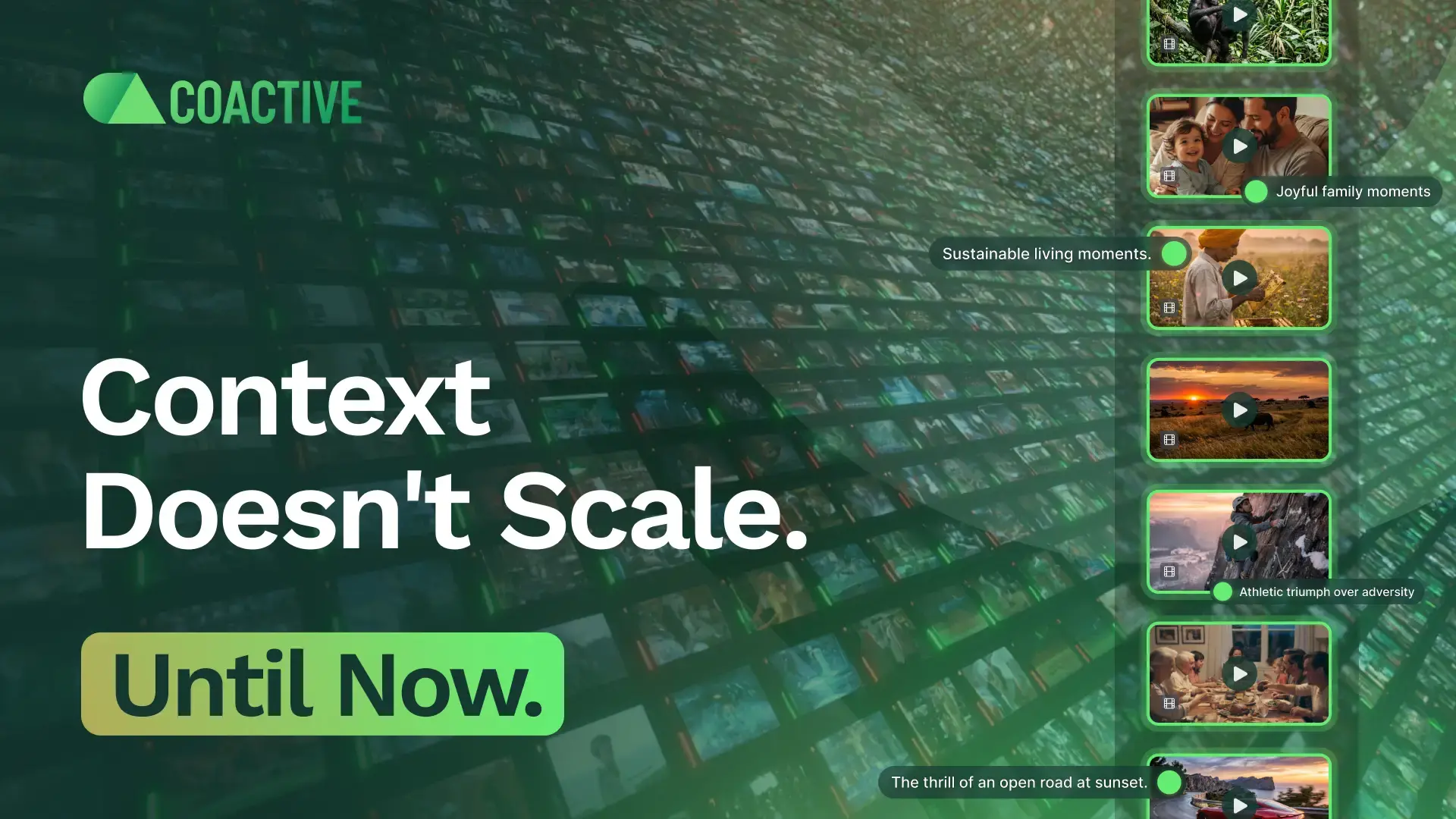
Every streaming publisher runs two monetization curves. The top 20% of the catalog, the tentpole originals, live sports, and flagship series, gets well-packaged and well-priced. The remaining 80%, older seasons, niche genres, FAST channels, fragmented distribution, trades at run-of-network CPM, or it does not trade at all. It sits on servers, technically available, commercially invisible.
For an Advanced Advertising team, that curve shows up in three places on your P&L: brand categories you cannot close because you cannot prove what is inside the inventory; CPMs that hit a ceiling on anything outside tentpoles; and packaging cycles that move too slowly to respond to a conceptual RFP before the buyer moves on.
That is not a content problem. It is a metadata problem. And it is one of the largest suppressed revenue pools on any publisher's P&L.
How Metadata Fits in
When we talk to publishers, the pattern is consistent. They know their long-tail content has value. Their audiences watch it. Attention metrics are often strong. But when an advertiser asks for something specific, like "joyful family gatherings" or "healthy-lifestyle moments," the sales team can only package what they can describe and prove. If the metadata does not exist, the content does not get sold.
Most media companies still rely on show-level metadata to describe their catalogs for contextual advertising. But the specific scene in a drama where a family gathers around a kitchen table? Impossible to find. The moment in a cooking show where a parent teaches a child to bake? That is a package your team should be able to build on demand, at a premium CPM. Instead, it gets absorbed into a genre bucket and traded at floor.
Thousands of hours of commercially valuable content sit idle because the tagging never goes deeper than the program level. Streaming catalog monetization stalls when inventory cannot be described at the granularity advertisers are asking for.
Scene-Level Intelligence Changes the Monetization Math
When every hour of a catalog is indexed at the scene level with robust metadata, the entire streaming catalog monetization equation shifts. Content that was previously unpackageable becomes structured, discoverable, and sellable.
Consider what becomes possible. A sustainability-themed package can span documentary segments, scripted drama scenes, and lifestyle programming. That inventory would never appear on the same rate card under traditional packaging, but collectively it is a premium product line you can price above floor. A paper towel brand does not want "cooking shows." They want the moments where characters are cleaning up a kitchen spill. Multimodal AI finds those moments across the entire library, which means your sales team can close a brand category at scene-level CPM against inventory that was previously run-of-network.
This is the shift: from selling programs to selling moments. From genre labels to narrative precision. From guessing at supply to proving it.
The Revenue Case Is Concrete
Scene-level content intelligence changes three things at once.
- It defends yield. As signal loss accelerates and audience targeting degrades, high-value inventory is at risk of commoditization. Publishers who enrich their bid stream with scene-level contextual metadata give SSPs the transparency they need to maintain CPMs. A generic "Action Drama" placement becomes a targetable custom segment like "High-Energy Adventure Moments, Brand-Safe." That signal does not expire when a cookie is deleted or a regulation tightens.
- It converts unknown inventory into packaged products. Sales teams can respond to conceptual RFPs in minutes instead of days, generating contextual packages from live inventory data rather than intuition and spreadsheets. This is where streaming catalog monetization goes from reactive to proactive: inventory gets packaged before the RFP arrives, not after.
- It enables entirely new ad formats. Pause ads that reflect what is on screen. Overlay ads triggered by what AI detects in the content. Shoppable moments linked to products appearing on screen. Scene-triggered mid-rolls placed at moments of peak contextual relevance rather than at fixed intervals. Each format requires scene-level understanding. Each commands premium CPMs.
Compounding Streaming Catalog Monetization Over Time
Content intelligence is not a one-time project. Once a catalog is indexed, the monetization intelligence compounds. New content gets classified against existing taxonomies automatically. Custom segments built for one advertiser can be adapted for others. The same scene-level metadata that powers contextual packaging also powers category-level brand safety, pre-built RFP response templates, and durable deal IDs that survive signal loss.
Coactive is the contextual intelligence layer between advertiser intent and publisher inventory, which is what makes this shift work at catalog scale.
Long-tail inventory that was previously unpackageable becomes a durable contextual product line, structured, sellable, and renewable year over year. That is not incremental yield. That is catalog-wide revenue growth from content you already own.
The 80% of your catalog that is trading below floor is waiting for better metadata. Before your next upfront cycle or package RFP, read the full whitepaper for the framework on turning long-tail inventory into premium contextual packages your team can sell on demand.